The Rise of Reform UK: How Nigel Farage’s Party Took the Lead in North East England
- adamhreformuk

- Mar 3, 2025
- 4 min read
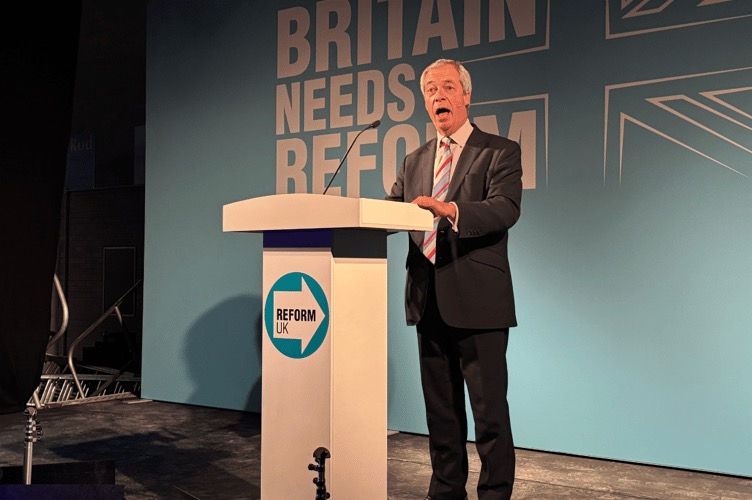
In a striking shift in British politics, Reform UK has emerged as the most popular party in North East England, a region long considered a Labour stronghold. As of early 2025, polling data and grassroots sentiment suggest that Nigel Farage’s party has capitalized on widespread disillusionment, economic woes, and a desire for change to overtake both Labour and the Conservatives in voter preference. This development marks a potential political earthquake in a region where Labour has dominated for decades. So, how did Reform UK achieve this unexpected rise?
A Perfect Storm of Discontent
North East England, encompassing cities like Newcastle, Sunderland, and Durham, has historically been a Labour heartland, rooted in its industrial past and working-class identity. However, recent years have seen growing frustration with the established parties. Labour, despite its landslide victory in the July 2024 general election, has struggled to maintain its grip on the region amid perceptions of unfulfilled promises and a disconnect from local concerns. Rising energy bills, crumbling public services, and the lingering effects of deindustrialization have left many voters feeling abandoned by the political class.
Enter Reform UK. Led by the charismatic and polarizing Nigel Farage, the party has positioned itself as an outsider force, promising "common sense" solutions to issues like immigration, the cost of living, and national sovereignty.
Tapping into Regional Frustrations
One key to Reform’s success in the North East is its ability to tap into regional frustrations that resonate deeply with voters over 45—Generation X and Baby Boomers—who, according to polls like Techne UK’s tracker, form a significant portion of its base. The party’s anti-establishment rhetoric and focus on controlling immigration have struck a chord in areas where economic stagnation and cultural shifts have fueled resentment. Towns like Hartlepool, which flipped to the Conservatives in a 2021 by-election, and constituencies like Cramlington and Killingworth, now projected to swing to Reform, exemplify this trend.
Farage’s messaging—amplified through platforms like X, where he boasts over 2.2 million followers—has been relentless. His call that "Britain is broken" and "needs Reform" resonates with voters who see little improvement in their daily lives under a Labour government. The party’s pledge to reindustrialize Britain, prioritizing domestic energy and steel production, appeals to a region scarred by the decline of heavy industry, not unlike the "rust belt" towns in the U.S. that rallied behind Donald Trump.
Labour’s Stumbles and Conservative Weakness
Labour’s faltering performance since taking power has provided an opening for Reform. Sir Keir Starmer’s government has faced criticism for failing to address the cost-of-living crisis swiftly, with energy bills set to rise by nearly 5% in April 2025 and public services still strained. High-profile incidents, like the conviction of ex-Labour MP Mike Amesbury in Runcorn and Helsby—where Reform came second in 2024 and now leads national polls—have only deepened the sense of chaos within the party.
Meanwhile, the Conservatives, under Kemi Badenoch, have failed to reclaim their lost ground. Exclusive YouGov polling for Sky News in February 2025 showed Reform outperforming the Tories on strength (31% vs. 11%) and sense of direction, highlighting the profound damage to the Conservative brand post-2024. In the North East, where the Tories have historically struggled, Reform has stepped in as the de facto right-wing alternative, siphoning votes from both disillusioned Labour supporters and former Conservative backers.
Brexit not done
Many north east voters switched from Labour to Conservative under Boris Johnsons leadership, a combination of his promise to Get Brexit Done and his undeniable charisma and popular appeal. Whan it became clear tha Brexit was most certainly not 'done' and the leadership of the Tories fell to a charmless multi-millionare devoid of the common touch and sporting much of Theresa May's stiff awkwardness, Rishi Sunak, these voters deserted the Brexit-backing Tories and headed back to Grandad's Labour party in the June 2024 elections. These voters have been hoodwinked once again and are furious at the creep back to the EU, attack on the farmers and the abandonment of our cherished OAPs. Nigel and Reform are offering the manna that Boris didn't deliver on - a Brexit done properly and the charisma and presence too.
A Professionalized Party on the Move
Reform UK’s rise isn’t just a fluke of voter anger—it’s also a sign of strategic evolution. In February 2025, Farage relinquished majority ownership of the party, handing control to its 200,000+ members via a new non-profit structure under Reform 2025 Ltd. This move, coupled with a new constitution allowing members to influence leadership and policy, has professionalized the outfit, distancing it from earlier criticisms of being a one-man show. The party’s 11 council by-election wins since July 2024 and its first elected council seat in Norfolk in February 2025 demonstrate growing organizational muscle.
In the North East, this momentum translates into tangible gains. Polling models like Electoral Calculus project Reform winning seats like North Durham—where Labour MP Luke Akehurst could lose out—signaling a broader realignment. The party’s focus on local by-elections and its ability to field candidates in winnable contests have bolstered its credibility as a serious contender.
What Does This Mean for the Future?
Reform UK’s ascent in the North East raises big questions about the future of British politics. For Labour, it’s a wake-up call to reconnect with its base or risk losing more ground in its traditional strongholds. For the Conservatives, it’s a stark reminder of their diminished appeal on the right. And for Reform, it’s a chance to prove it can translate polling leads into electoral victories, with upcoming tests like the 2025 local elections and the Welsh Senedd elections serving as critical benchmarks.
As of March 2, 2025, Reform UK’s rise in the North East reflects a broader hunger for change—a rejection of the status quo that Farage has adeptly harnessed. For now, though, the North East has sent a clear message: the political landscape is shifting, and Reform UK is riding the wave.


Comments